
What Is BESS and Why Do Businesses Need Battery Energy Storage?
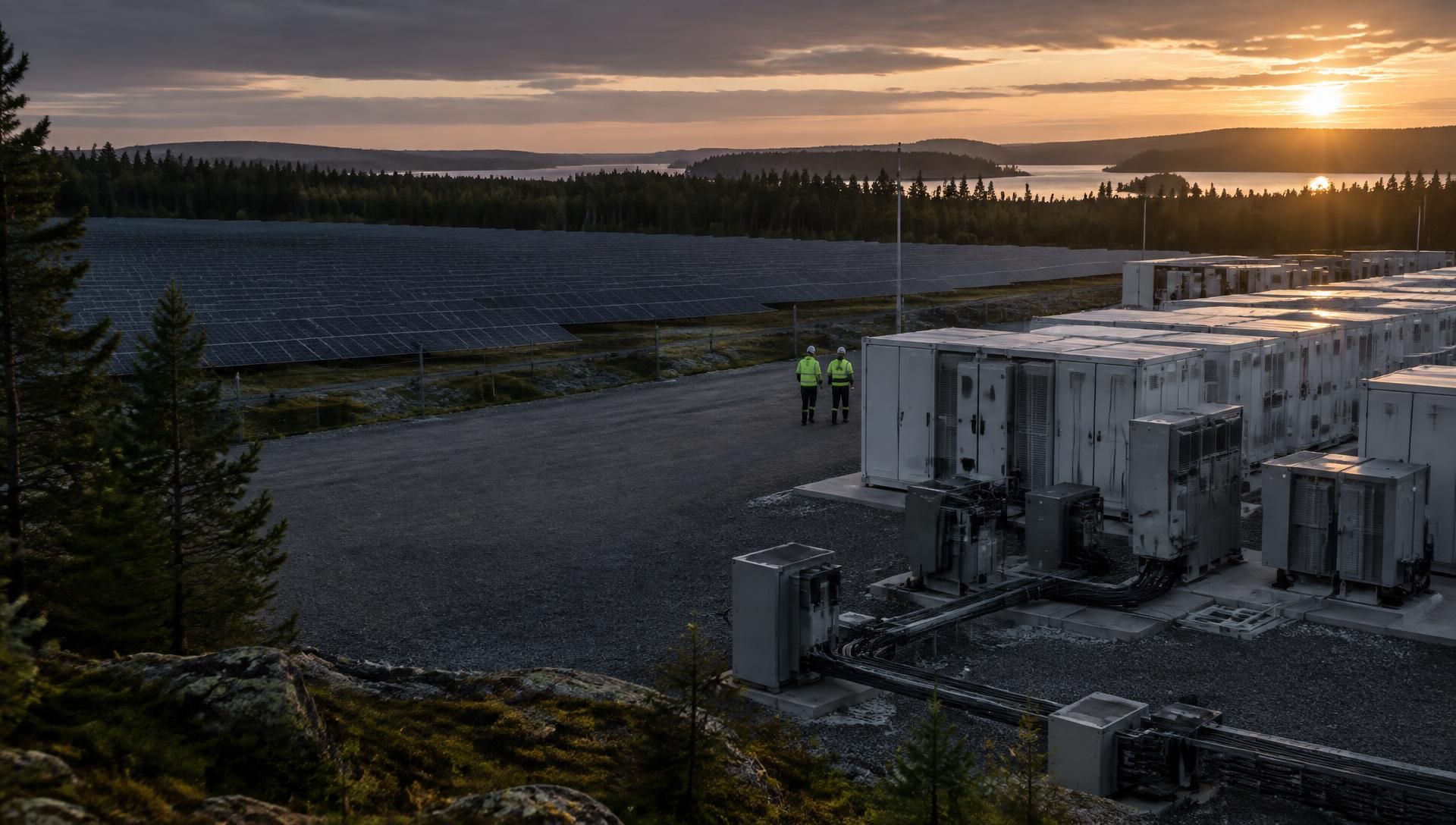
BESS, or Battery Energy Storage System, is a battery-based energy storage system that allows electricity to be stored and used later according to the needs of a site, its production profile or its energy strategy. For businesses and larger energy infrastructure projects, BESS is not simply a large battery. It is a controllable part of the wider electrical system.
Why Would a Business Need Energy Storage?
As renewable energy deployment increases, power systems require more flexibility. Battery storage can help shift energy from periods of high renewable generation to periods when electricity is needed, while supporting the integration of variable renewable generation.
Solar generation and electricity consumption do not always happen at the same time. A solar park may generate significant amounts of electricity during the middle of the day, while the company's highest consumption may occur later. A BESS can store part of the generated energy and make it available when it is needed.
The actual value of a BESS depends on the project's objectives, consumption profile, grid connection and required power and storage capacity.
- storing solar energy;
- balancing generation and consumption;
- managing peak loads;
- increasing energy-use flexibility;
- supporting renewable energy integration;
- improving the flexibility of an electrical system.
Solar + BESS
One of the most common applications is combining a solar park with battery storage. When solar generation exceeds the site's immediate consumption, part of the energy can be stored in the BESS instead of being used immediately.
The stored energy can then be used later according to the system configuration and project objectives. This creates a more flexible relationship between energy production and consumption.
What Do MW and MWh Mean?
MW describes power — how quickly the system can charge or discharge energy. MWh describes energy capacity — how much energy the system can store.
These are different characteristics. A system can have high power but relatively limited energy capacity, or the opposite. Therefore, BESS sizing cannot be based on a single number.
How Do You Choose the Right BESS Size?
The correct BESS starts with the project data rather than a standard battery product.
An undersized system may not achieve the intended objective. An oversized system may create unnecessary investment. The battery therefore needs to be designed around the actual energy infrastructure.
- electricity consumption;
- consumption profile;
- existing or planned solar generation;
- grid connection;
- required charging and discharging power;
- required storage capacity;
- intended use of the system;
- future expansion plans.
BESS Is More Than a Battery
All components of an industrial BESS need to operate as one integrated system.
- battery systems;
- inverters and power conversion equipment;
- energy management and control systems;
- electrical switchgear and protection;
- cabling and electrical connections;
- monitoring systems;
- grid connection;
- relevant safety and fire protection solutions.
Safety Is a Core Part of BESS
BESS projects require consideration of electrical safety, temperature conditions, protection systems, fire safety and the specific installation environment.
For an industrial project, the battery should therefore not be assessed separately from the rest of the electrical infrastructure.
When Should a Business Consider BESS?
Battery storage can be relevant for a wide range of energy infrastructure needs.
The economics of a BESS should be evaluated based on the complete project, its intended operation and its potential value streams rather than battery price alone.
- a large solar installation;
- a significant difference between generation and consumption periods;
- large or variable electrical loads;
- a need for more flexible energy management;
- grid connection constraints;
- plans to add EV charging or other high-power loads.
BESS as Part of Future Energy Infrastructure
Energy requirements change. A company may start with a solar park and later add battery storage, EV charging, production equipment or other high-power consumers.
Planning the electrical infrastructure with future expansion in mind can therefore be important. HeilAres approaches BESS projects on a project-specific basis and can integrate energy storage with solar parks and professional electrical works.