
Workforce rental in shipbuilding — how to staff a shipyard project
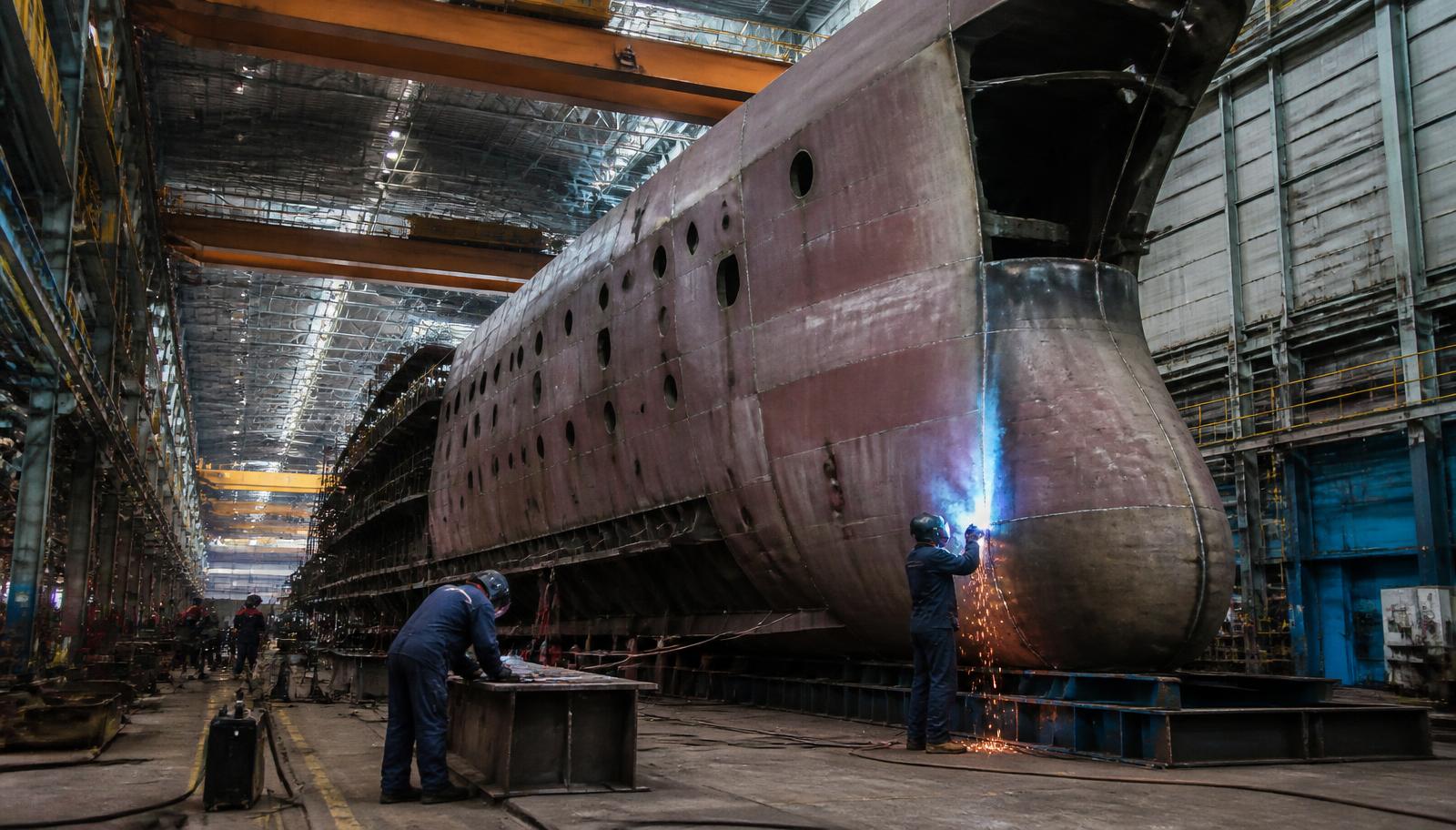
Shipbuilding runs in project cycles — block assembly, outfitting and final finishing require many times more hands over a short window than a yard's core staff can provide. A rented crew covers that peak without growing fixed costs.
What labour do shipyards actually need?
The most common demand is for welders (MIG/MAG, TIG, 111), ship fitters, pipe fitters, electricians and insulation installers, plus support labour for material handling, scaffolding, cleaning and fire watch.
Documented qualification matters in every role: valid welding qualifications, safety training, work-at-height and confined-space permits. HeilAres verifies these before deployment so paperwork never stalls the site.
How does staffing work in practice?
We start by mapping the need: roles, headcount, shift pattern, project duration and site location. That becomes a staffing plan with a schedule that accounts for travel, accommodation and onboarding time.
Crews arrive with a team leader who runs the work and communicates with the client's production manager, so the yard orders an outcome rather than managing individuals.
What to budget for
Beyond the hourly rate, total cost is driven by travel and accommodation, overtime and shift premiums. A transparent quote lists these as separate lines so comparison stays honest.
For longer projects a rotation model is sensible — crews change in cycles, which keeps productivity steady and reduces burnout.