
How to choose a solar park EPC partner?
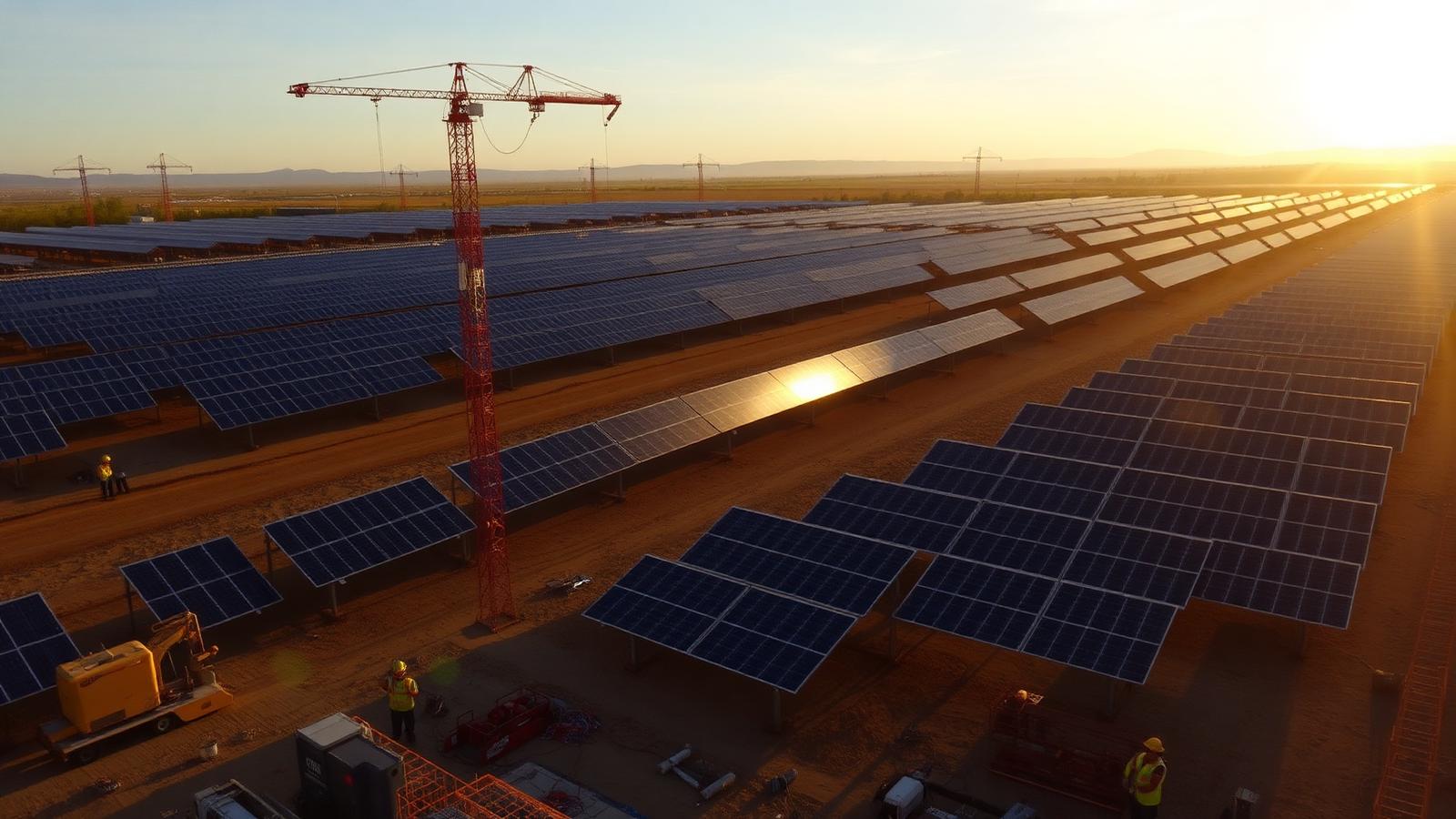
A solar park EPC partner (Engineering, Procurement, Construction) is the company responsible for the full turnkey delivery of a solar park, covering design, component procurement and construction.
Why is the EPC choice critical?
The performance of a solar park over 25–30 years depends directly on how well it has been engineered and built. The wrong EPC partner can cause underperformance, frequent failures, expensive maintenance and, in the worst case, total asset value loss.
For the developer, the EPC partner is also a financial and schedule partner — delays mean lost revenue, an under-specified bill of materials means budget overruns. Investors and banks frequently assess project risk through the EPC partner's past portfolio.
Which criteria matter?
The first criterion is portfolio volume in megawatts. An EPC partner that has installed hundreds of MW understands the specifics of full-scale projects — from substation interconnection design to long-term DC cable maintenance. HeilAres has installed over 400 MW in Estonia, Latvia and Europe.
The second criterion is supply chain. Strong EPC partners have direct contractual relationships with Tier-1 panel and inverter manufacturers — meaning better prices, reliable warranties and stable delivery schedules. Ask for specific suppliers and warranty terms.
The third criterion is in-house installation crews. An EPC that subcontracts all installation loses control of quality and schedule. All of HeilAres' crews are in-house, ensuring a single quality standard across every site.
What questions to ask when evaluating bids?
Ask for the assumptions behind the bid — which panels, inverters and mounting systems are included, what soil conditions are assumed, whether grid-connection costs are inside. Bids quoted only as €/W without specifications are not comparable.
Ask for the project schedule week by week and accountability for delays. A serious EPC partner gives concrete milestones and liquidated damages for late delivery. Ask also how weather-related downtime risk is allocated.